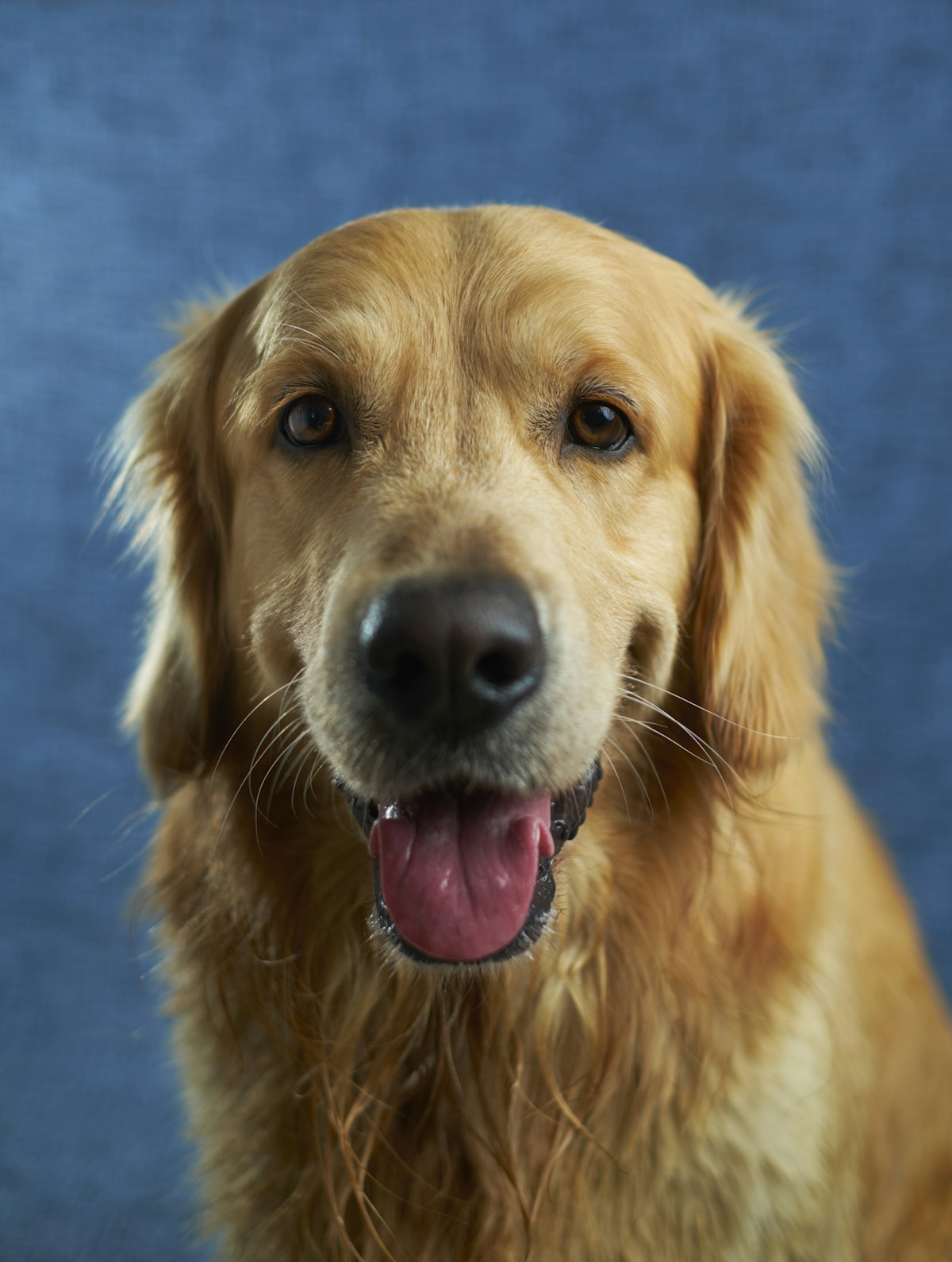
Regular grooming is essential for your dog's health, comfort, and appearance. While professional grooming services are important, maintaining your dog's coat and hygiene between visits makes a significant difference. As a professional groomer with over 12 years of experience, I'm sharing the most important at-home grooming techniques that every dog owner should master.
1. Brushing: The Foundation of Good Grooming
Brushing is the single most important grooming task you can do at home. It prevents mats, distributes natural oils, removes loose fur, and gives you quality bonding time with your dog.
Choosing the Right Brush
- Slicker Brush: Perfect for medium to long-haired dogs, removes tangles and loose undercoat
- Pin Brush: Ideal for long, silky coats like Yorkshire Terriers or Maltese
- Bristle Brush: Best for short-haired breeds, adds shine and removes surface dirt
- Undercoat Rake: Essential for double-coated breeds like Huskies and Golden Retrievers
Brushing Frequency
- Long-haired breeds: Daily brushing
- Medium-length coats: 2-3 times per week
- Short-haired breeds: Once per week
- During shedding season: Increase frequency for all breeds
Pro Tip: Always brush before bathing. Water tightens mats and tangles, making them nearly impossible to remove once wet.
2. Bathing: Getting It Right
Many dog owners either bathe their pets too frequently or not enough. The right schedule depends on your dog's breed, lifestyle, and coat type.
Optimal Bathing Schedule
- Active outdoor dogs: Every 4-6 weeks
- Indoor dogs with normal activity: Every 6-8 weeks
- Dogs with skin conditions: Follow your vet's recommendations
- Dogs who swim regularly: Rinse with fresh water after each swim, full bath monthly
Bathing Best Practices
- Brush thoroughly before the bath to remove all mats and tangles
- Use lukewarm water - never hot or cold
- Choose a dog-specific shampoo formulated for their coat type
- Wet the coat completely before applying shampoo
- Massage shampoo gently into the coat, avoiding eyes and ears
- Rinse thoroughly - leftover shampoo can irritate skin
- Apply conditioner if your dog has a long or dry coat
- Towel dry and finish with a blow dryer on cool setting if your dog tolerates it
3. Nail Care: More Important Than You Think
Regular nail trimming is crucial for your dog's comfort, posture, and joint health. Overgrown nails can cause pain, affect gait, and lead to long-term skeletal issues.
When to Trim
If you hear clicking sounds when your dog walks on hard surfaces, the nails are too long. Generally, nails should be trimmed every 3-4 weeks, though this varies by breed and activity level.
How to Trim Safely
- Use sharp, high-quality nail clippers designed for dogs
- Identify the quick (the pink part visible in light-colored nails)
- Cut at a 45-degree angle, avoiding the quick
- For dark nails, trim small amounts at a time
- Have styptic powder ready in case of bleeding
- File rough edges after cutting
Not Confident? If you're nervous about nail trimming, let professionals handle it. We're happy to show you the proper technique during your visit.
4. Ear Cleaning: Prevention is Key
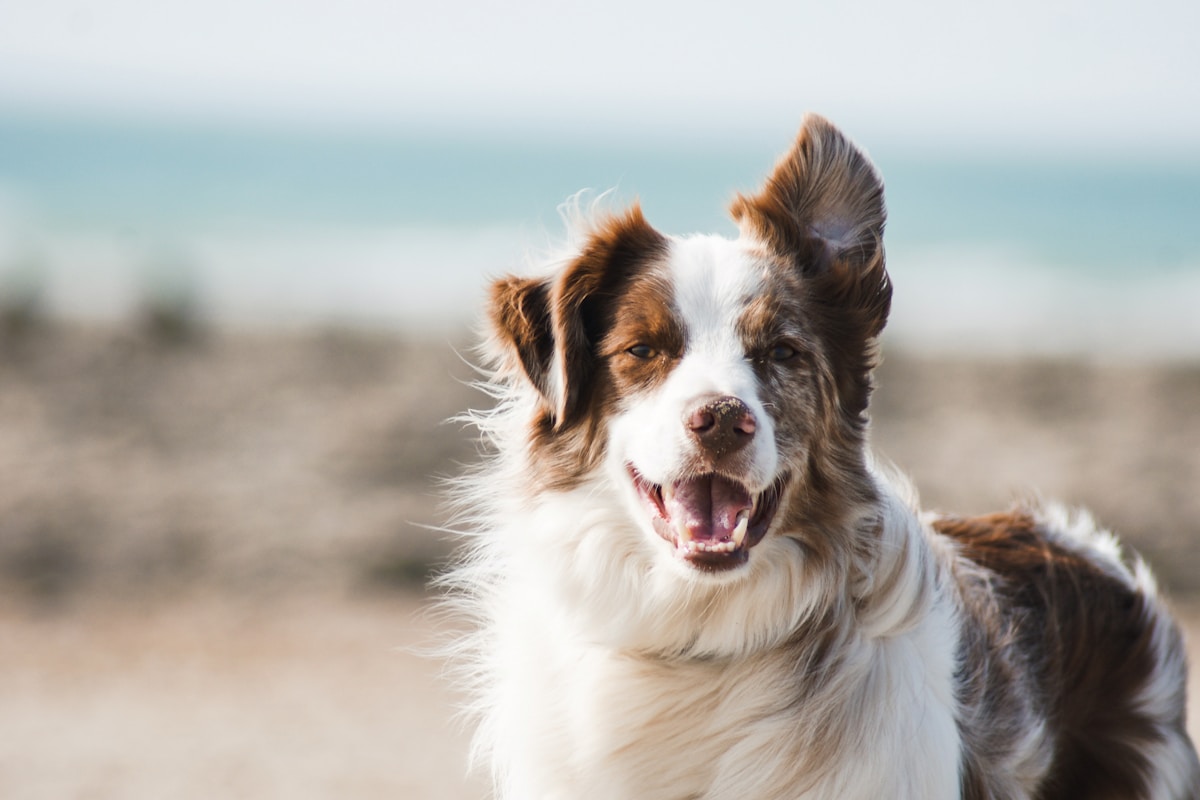
Regular ear cleaning prevents infections, especially in dogs with floppy ears or those who swim frequently.
Signs Your Dog's Ears Need Attention
- Redness or swelling
- Foul odor
- Excessive scratching or head shaking
- Dark discharge or excessive wax
- Pain when ears are touched
Cleaning Process
- Use a veterinary-approved ear cleaning solution
- Apply solution to a cotton ball or pad (never use Q-tips in the ear canal)
- Gently wipe the visible part of the ear
- For deeper cleaning, apply solution directly into the ear canal and massage the base
- Allow your dog to shake their head
- Wipe away loosened debris with a clean cotton pad
5. Dental Care: The Often Forgotten Task
Dental health affects your dog's overall wellbeing. Poor oral hygiene can lead to heart, liver, and kidney problems.
At-Home Dental Care
- Brush teeth 2-3 times per week with dog-specific toothpaste
- Use dental chews approved by veterinary dental associations
- Provide appropriate chew toys
- Schedule professional dental cleanings as recommended by your vet
6. Recognizing When to See a Professional
While at-home grooming is important, professional services are essential for:
- Complete haircuts and breed-specific styling
- Severe matting or tangles
- Deep cleaning and de-shedding treatments
- Nail trimming if you're not comfortable doing it yourself
- Anal gland expression
- Specialized treatments for skin conditions
- Show preparation or special occasion styling

Creating a Grooming Routine
Consistency is key. Establish a regular grooming schedule that works for your lifestyle:
- Daily: Quick brush, face wipe, teeth brushing
- Weekly: Thorough brushing, ear check, paw inspection
- Monthly: Bath, nail trim, deep conditioning treatment
- Every 6-8 weeks: Professional grooming appointment
Final Thoughts
Good grooming habits start early and become easier with practice. Be patient with yourself and your dog as you learn together. Remember, grooming is not just about appearance - it's an essential part of keeping your dog healthy, comfortable, and happy.
If you have questions about your dog's specific grooming needs or would like to learn proper techniques, we offer grooming consultations where we can demonstrate these skills hands-on. Your dog's health and comfort are our top priorities.
Need Professional Help?
Our team at Lake Champlain Pet Spa is here to help with all your dog's grooming needs. Whether you need a complete makeover or just want to learn the basics, we're ready to assist.
Book an AppointmentAbout the Author: Elena Popescu is the owner and master groomer at Lake Champlain Pet Spa with over 12 years of professional grooming experience. She specializes in breed-specific styling and loves educating pet owners about proper grooming techniques.